How to Save Money on Baby Formula (Safe & Smart Tips)
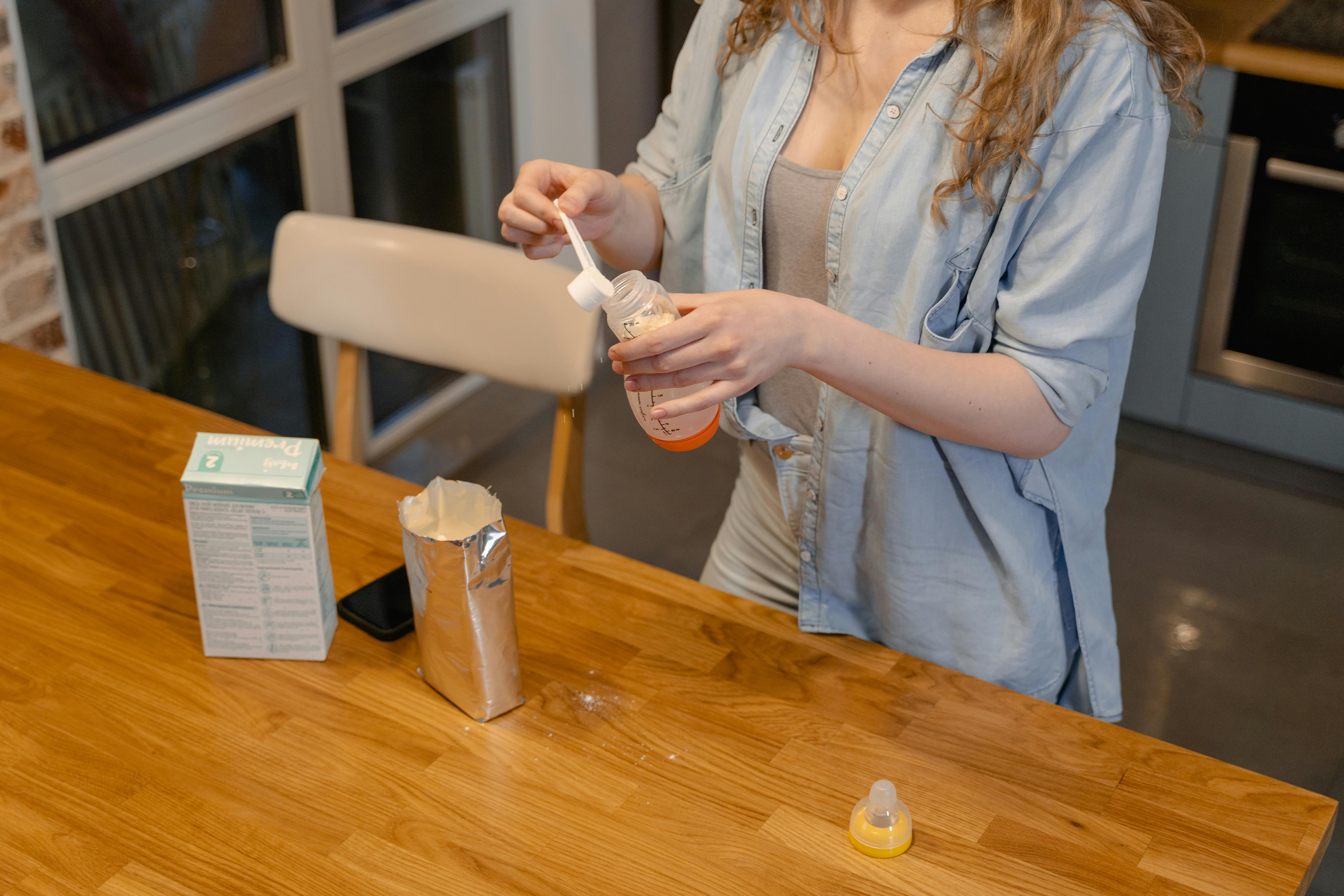
If you are formula feeding, you are probably feeling the "sticker shock." A single tub of name-brand formula can cost $40 or more, and a hungry baby can finish it in less than a week. It often feels like you are feeding your child liquid gold.
While you should never try to save money by watering down formula (this is dangerous and can cause seizures), there are smart, safe ways to cut costs without compromising your baby's nutrition.
Here is how to feed your baby safely while keeping your budget intact.
1. The "Generic" Secret (Store Brands)
This is the single biggest money-saver. In the United States, the FDA regulates infant formula very strictly. All infant formulas sold—whether they are the expensive name brand or the cheaper store brand—must meet the exact same nutritional standards.
The Truth: "Store Brand" formulas (like Target’s Up & Up, Walmart’s Parent’s Choice, or Kirkland) are often manufactured in the same facilities as the big brands.
The Savings: Switching to generic can save you 40% to 50%. That adds up to roughly $600 a year in savings for the exact same nutrition.
2. Buy in Bulk (Warehouse Clubs)
If you have a membership to Costco, Sam’s Club, or BJ’s, use it! Warehouse clubs sell "economy size" tubs that are significantly cheaper per ounce than the smaller cans found at grocery stores.
Math Tip: Always look at the price per ounce, not the price of the tub. A $40 tub might actually be cheaper than a $20 tub if it contains three times as much powder.
3. Powder vs. Liquid
Formula comes in three forms: powder, liquid concentrate, and ready-to-feed.
Ready-to-feed is convenient (you just open and pour), but it is the most expensive option. You are paying a premium for the water and the packaging.
Powder requires mixing, but it is by far the cheapest option.
Strategy: Use powder for everyday feeding at home. Save the expensive "Ready-to-Feed" bottles for times when you are traveling or don't have access to clean water.
4. Ask Your Pediatrician for Samples
Formula companies send massive amounts of free samples to doctors' offices in hopes that you will get hooked on their brand.
The Trick: Every time you go in for a checkup (2-month, 4-month, 6-month), ask the doctor, "Do you have any formula samples?" They usually have a closet full of them and are happy to give you a few full-sized cans for free.
5. Sign Up for Rewards Programs
Go to the websites of major manufacturers (like Enfamil and Similac) and sign up for their "New Parent" programs. They will mail you "checks" (coupons that work like cash) and free samples. Combine these checks with a sale at your local grocery store for maximum savings.
Conclusion
Your baby doesn't care if the label on the can is fancy; they just care that their tummy is full. By being a smart shopper and switching to store brands or buying in bulk, you can save hundreds of dollars in your baby's first year—money that can go straight into their college fund instead!
Frequently Asked Questions About Baby-Led Weaning (FAQ)
1. When is the best time to start Baby-Led Weaning (BLW)? Most pediatricians recommend waiting until your baby is around 6 months old. The key signs to look for are: the ability to sit up with little to no support, losing the "tongue-thrust" reflex (pushing food out of their mouth), and showing a genuine interest in what you are eating. Always consult your doctor before starting solids.
2. Is choking a bigger risk with BLW compared to purees? This is the #1 fear for parents! Studies suggest that there is no increased risk of choking with BLW compared to spoon-feeding, provided you follow safety guidelines. Avoid hard foods like raw apples, whole nuts, or round grapes. Soft, stick-shaped foods (like steamed carrots or avocado slices) allow the baby to control how much they swallow, which can actually teach them to chew better.
3. Do I need special gear to start? You don't need much, but a few tools help. A high chair with a footrest is essential for stability (which helps with safe swallowing). As mentioned earlier, a "starter spoon" like the NumNum Gootensil (linked above) is great for babies who want to practice self-feeding with softer foods like yogurt or oatmeal. You will also want a bib with a "catch pocket" because BLW is messy!
4. Can I mix purees and finger foods? Absolutely. You don't have to choose just one method. Many parents do "combo feeding." You might offer a loaded spoon of oatmeal (for iron) alongside a strip of omelet. The goal is to make mealtime a positive, sensory experience for your child, not to follow a strict rulebook.


Comments
Post a Comment